Books
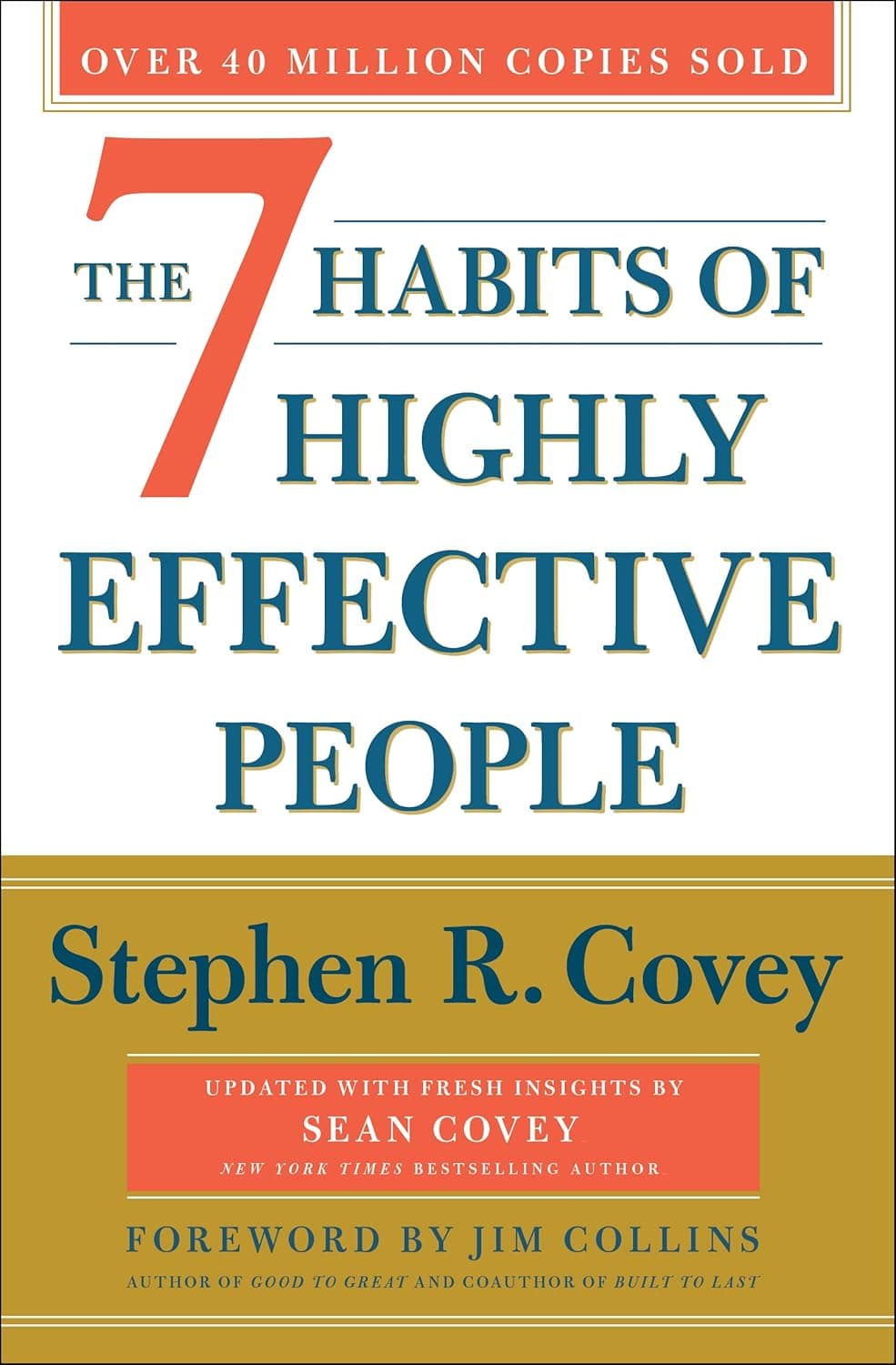
The 7 Habits of Highly Effective People Review: A Foundational Book That Still Holds Up
- Brand:
- Stephen Covey
- Ages:
- 16+ years
- Updated:
- 2026-07-13
The verdict
A genuinely foundational personal development book worth reading despite its age — the principle-based approach explains why it's still referenced decades after publication, though the writing style requires more patience than newer books.
Pros
- Principle-based framework has genuinely stood the test of time better than many trend-driven productivity books
- Covers both personal character development and practical effectiveness, not just tactical productivity tips
- Widely referenced and built upon by many later self-help and business books, reflecting real lasting influence
- Structured habit-by-habit format makes it easy to revisit and apply one section at a time
Cons
- Denser and more formal writing style than modern self-help books, requiring more reader effort
- Some examples and cultural references feel dated given the book's original 1989 publication
This review is based on the book's published content and its consistent, decades-long pattern of reader and business influence: repeatedly cited as a foundational text that many later self-help and leadership books build upon.
Why a decades-old book is still relevant
Unlike productivity advice tied to specific tools or trends, Covey's principle-based approach (focused on character and values rather than tactics) is specifically why it has aged better than many contemporaries from the same era — the underlying principles don't depend on any particular technology or work style.
Who it's for
Right for readers wanting a foundational, principle-based approach to personal effectiveness — readers wanting a fast, casual read may prefer a more modern, conversationally written alternative.
Frequently asked
- Is this book outdated given its original 1989 publication?
- Some specific examples feel dated, but the core principle-based framework has held up notably well, which is a major reason it's still widely referenced and recommended decades later.
- Is it a difficult read?
- Denser and more formal than most modern self-help books, requiring somewhat more reader patience and effort — worth knowing before diving in if you're used to faster, more conversational nonfiction.
You might also like
Books
Essentialism: The Disciplined Pursuit of Less
Greg McKeown · Ages 13+ years
- A genuinely useful mental permission-slip for chronic over-committers to cut obligations down to what actually matters
- Clear, actionable exercises like the '90 percent rule' and the essentialist-versus-nonessentialist framing, rather than pure abstraction
- The core message — do less, but better — is straightforward enough that it could be conveyed in an essay, and the book stretches it across many short chapters with some repetition
Books
Start with Why: How Great Leaders Inspire Everyone to Take Action
Simon Sinek · Ages 13+ years
- The 'Golden Circle' (Why, How, What) is a simple, memorable framework that's easy to explain to a team or apply to your own messaging
- Strong, well-known case studies (Apple, the Wright Brothers, Martin Luther King Jr.) make the abstract idea concrete
- Critics, including sales trainers, argue the framework oversimplifies — knowing your audience often matters as much or more than leading with 'why'
Books
Daring Greatly: How the Courage to Be Vulnerable Transforms the Way We Live, Love, Parent, and Lead
Brené Brown · Ages 13+ years
- Based on over a decade of the author's own qualitative shame and vulnerability research, not just personal opinion
- Genuinely reframes vulnerability as strength in a way many readers find personally impactful
- Some readers and critics find the tone can tip into repetitive affirmation rather than deeper analysis
Buy from Amazon