Books
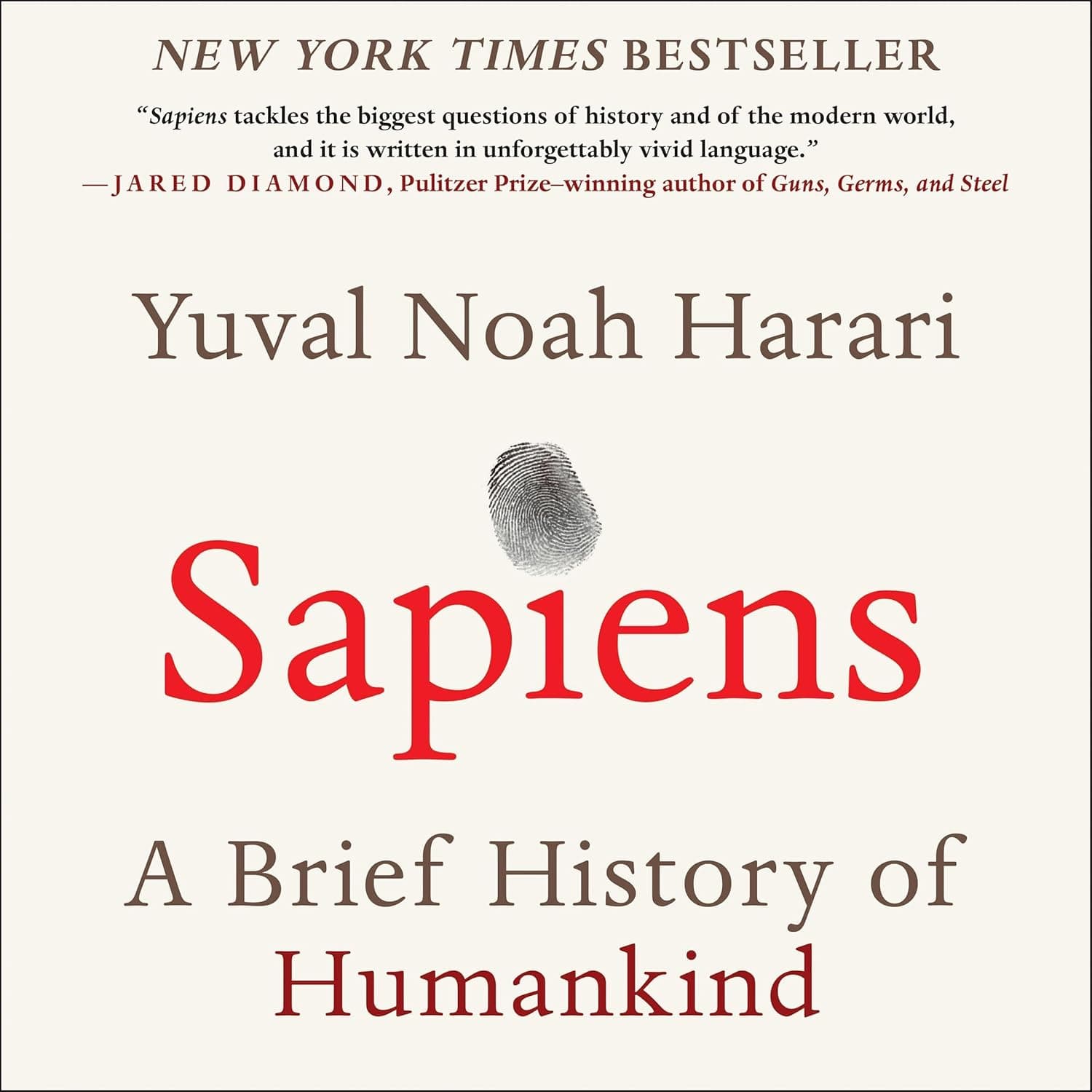
Sapiens Review: A Sweeping History Book That's Genuinely Readable, Not Just Ambitious
- Brand:
- Yuval Noah Harari
- Ages:
- 16+ years
- Updated:
- 2026-07-13
The verdict
A genuinely engaging entry point into big-picture human history — read it as a compelling, thought-provoking narrative rather than a definitive academic reference on any single topic it touches.
Pros
- Covers the entire span of human history in a genuinely engaging, accessible narrative style
- Presents complex anthropological and historical concepts without requiring specialist background knowledge
- Consistently strong, durable reader ratings across a very wide international audience since publication
- Provocative framing encourages readers to question assumptions rather than passively absorb facts
Cons
- Some specific historical and scientific claims have been challenged or debated by specialists in those fields
- The broad, sweeping scope means individual topics get less depth than a book focused on one specific era or subject
This review is based on the book's published content and the consistent pattern in reader feedback since its English-language release: broad accessibility and engaging narrative style are repeatedly cited as its core strength, alongside occasional expert pushback on specific claims.
Accessibility is the actual achievement here
Condensing the entire arc of human history into a single readable narrative is a genuinely difficult writing challenge, and it's the specific reason this book reached such a broad audience beyond typical history readers — the tradeoff is necessarily less depth on any single topic than a specialist text would offer.
Who it's for
Great for readers wanting an engaging, big-picture introduction to human history and its major turning points — pair with more specialized texts if you want deep expertise on any single era it covers.
Frequently asked
- Is this book historically accurate?
- Broadly well-regarded, though some specific claims have been challenged by specialists in anthropology and history — it's best read as an engaging, thought-provoking narrative rather than an unquestionable academic reference.
- Do I need a history background to understand it?
- No — it's specifically written to be accessible without specialist background knowledge, which is a major reason for its broad popularity outside dedicated history readers.
You might also like
Books
Essentialism: The Disciplined Pursuit of Less
Greg McKeown · Ages 13+ years
- A genuinely useful mental permission-slip for chronic over-committers to cut obligations down to what actually matters
- Clear, actionable exercises like the '90 percent rule' and the essentialist-versus-nonessentialist framing, rather than pure abstraction
- The core message — do less, but better — is straightforward enough that it could be conveyed in an essay, and the book stretches it across many short chapters with some repetition
Books
Start with Why: How Great Leaders Inspire Everyone to Take Action
Simon Sinek · Ages 13+ years
- The 'Golden Circle' (Why, How, What) is a simple, memorable framework that's easy to explain to a team or apply to your own messaging
- Strong, well-known case studies (Apple, the Wright Brothers, Martin Luther King Jr.) make the abstract idea concrete
- Critics, including sales trainers, argue the framework oversimplifies — knowing your audience often matters as much or more than leading with 'why'
Books
Daring Greatly: How the Courage to Be Vulnerable Transforms the Way We Live, Love, Parent, and Lead
Brené Brown · Ages 13+ years
- Based on over a decade of the author's own qualitative shame and vulnerability research, not just personal opinion
- Genuinely reframes vulnerability as strength in a way many readers find personally impactful
- Some readers and critics find the tone can tip into repetitive affirmation rather than deeper analysis
Buy from Amazon