Books
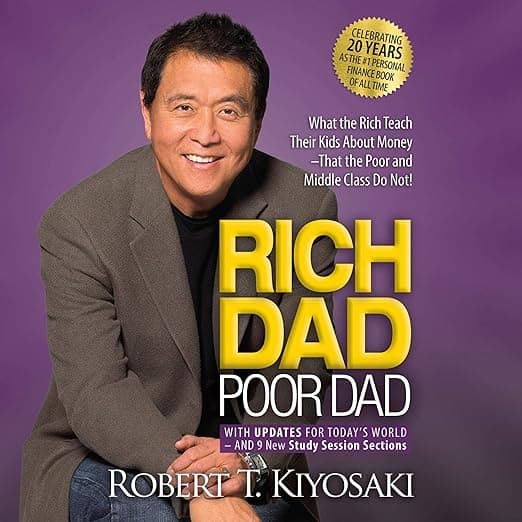
Rich Dad Poor Dad Review: An Influential Mindset Book With Some Real, Honest Caveats
- Brand:
- Robert Kiyosaki
- Ages:
- 16+ years
- Updated:
- 2026-07-13
The verdict
Valuable specifically as a mindset-shifting introduction to thinking about assets and financial independence — treat its specific factual and strategic claims with healthy skepticism and pair it with more rigorous financial education.
Pros
- Genuinely reframes how many first-time readers think about assets, liabilities, and financial independence
- Accessible, story-driven format makes financial mindset concepts approachable for readers new to the topic
- Massively influential — one of the best-selling personal finance books ever, shaping a generation's financial conversations
- Strong at motivating readers to think differently about earned income versus building assets
Cons
- Some of the book's specific real estate and business claims have been factually disputed over the years
- Light on concrete, step-by-step actionable strategy compared to its strength on mindset and motivation
This review is based on the book's published content and the consistent, notably split pattern in reader and critic feedback since its original release: strong praise for mindset-shifting influence, alongside genuine, documented skepticism about specific factual claims within the book.
Mindset value and factual accuracy are genuinely separate questions here
It's possible for a book to meaningfully shift how readers think about money while also containing specific claims that don't hold up to scrutiny — that's honestly the case here, and readers get the most value treating it as a mindset primer rather than a literal financial or historical reference.
Who it's for
Good for readers new to thinking about assets versus liabilities who want an accessible, motivating introduction — pair it with more rigorous, fact-checked financial education rather than treating it as a standalone strategy guide.
Frequently asked
- Is this book factually accurate?
- Some of its specific real estate and business claims have been publicly disputed over the years, so it's best read for its mindset-shifting framing about assets and financial independence rather than as a literal factual or strategic reference.
- Is it a good starting point for financial literacy?
- As a mindset introduction, yes — but pair it with more rigorous, fact-checked financial education for concrete strategy, since this book is genuinely stronger on motivation than step-by-step actionable advice.
You might also like
Books
Essentialism: The Disciplined Pursuit of Less
Greg McKeown · Ages 13+ years
- A genuinely useful mental permission-slip for chronic over-committers to cut obligations down to what actually matters
- Clear, actionable exercises like the '90 percent rule' and the essentialist-versus-nonessentialist framing, rather than pure abstraction
- The core message — do less, but better — is straightforward enough that it could be conveyed in an essay, and the book stretches it across many short chapters with some repetition
Books
Start with Why: How Great Leaders Inspire Everyone to Take Action
Simon Sinek · Ages 13+ years
- The 'Golden Circle' (Why, How, What) is a simple, memorable framework that's easy to explain to a team or apply to your own messaging
- Strong, well-known case studies (Apple, the Wright Brothers, Martin Luther King Jr.) make the abstract idea concrete
- Critics, including sales trainers, argue the framework oversimplifies — knowing your audience often matters as much or more than leading with 'why'
Books
Daring Greatly: How the Courage to Be Vulnerable Transforms the Way We Live, Love, Parent, and Lead
Brené Brown · Ages 13+ years
- Based on over a decade of the author's own qualitative shame and vulnerability research, not just personal opinion
- Genuinely reframes vulnerability as strength in a way many readers find personally impactful
- Some readers and critics find the tone can tip into repetitive affirmation rather than deeper analysis
Buy from Amazon