Cameras & Drones
Nikon Z50 II Review: A Photography-First Mirrorless Camera for Buyers Who Want Real Manual Control
- Brand:
- Nikon
- Ages:
- 13+ years
- Updated:
- 2026-07-07
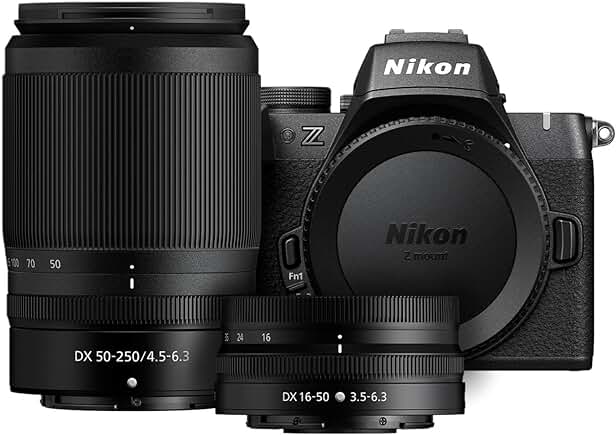
The verdict
A strong pick specifically for buyers who want tactile, physical manual controls over a touchscreen-driven interface — check the current APS-C lens lineup fits your specific shooting needs before committing.
Pros
- Dedicated physical dials for key settings give genuinely faster manual control than touchscreen-only rivals
- Solid autofocus performance with subject detection across people, animals, and vehicles
- APS-C sensor size balances image quality with a more affordable, compact lens ecosystem than full-frame options
- Comfortable, substantial grip that photographers with larger hands consistently prefer over smaller rivals
Cons
- Smaller native Z-mount APS-C lens selection compared to Nikon's full-frame lens catalog
- Video specs are solid but not class-leading compared to cameras specifically optimized for video work
This review is based on Nikon's published Z50 II specifications and the consistent pattern in buyer feedback: photographers specifically value the dedicated physical dials, contrasting it favorably against touchscreen-reliant competitors for speed of manual adjustment.
Physical dials versus touchscreen menus is a real usability difference
Adjusting exposure settings via a physical dial while looking through the viewfinder is measurably faster than navigating a touchscreen menu, especially in changing light conditions. That tactile control is the specific reason many buyers moving from smartphone or touchscreen-only cameras cite this as a meaningful upgrade.
Who it's for
Right for photography-focused buyers who want fast manual control and don't mind a smaller lens ecosystem than full-frame systems offer — a video-first creator may be better served by a camera specifically optimized for that use.
Frequently asked
- Is this a full-frame camera?
- No — it uses an APS-C sensor, which is smaller than full-frame, trading some low-light and depth-of-field capability for a more compact, affordable camera and lens system.
- Is it good for video as well as photos?
- Yes, competently, but it's designed and marketed primarily as a photography-first camera — buyers prioritizing video specifically should compare against cameras optimized for that use case.
You might also like
Cameras & Drones
RS 3 Mini
DJI · Ages 13+ years
- 2kg payload capacity in a genuinely compact, lightweight gimbal body that's easier to carry all day than DJI's larger RS models
- Touchscreen built directly into the gimbal for adjusting settings without needing the phone app open
- The 2kg payload limit rules out larger mirrorless bodies paired with telephoto lenses — DJI's bigger RS gimbals are needed for that combination
Cameras & Drones
Brave 8
Akaso · Ages 13+ years
- Aggressively priced compared to GoPro or DJI, making it a low-risk way to find out if you'll actually use an action camera
- Dual front-and-rear screens are unusual to find at this price point
- Image quality, dynamic range, and stabilization clearly and consistently trail GoPro, DJI, and Insta360 in side-by-side comparisons — this is a budget compromise, not a flagship rival
Cameras & Drones
Max 2
GoPro · Ages 13+ years
- True native 8K 360 capture without software upscaling is a real jump over the original Max's lower-resolution output
- User-replaceable lenses mean a scratched dome no longer means retiring or servicing the whole camera
- 360 cameras remain a niche workflow — reframing and stitching genuinely take editing time and skill that casual buyers tend to underestimate
Buy from Amazon