Smart Home & Wearables
Google Nest Hub Review: A Smart Display That's Genuinely Good at Being a Bedside Sleep Tracker
- Brand:
- Ages:
- 13+ years
- Updated:
- 2026-07-11
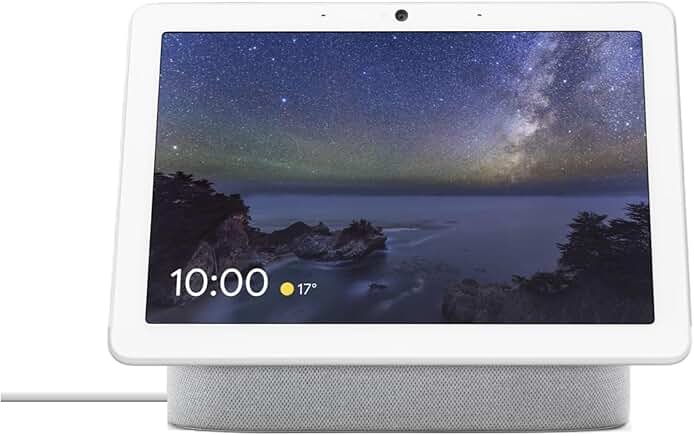
The verdict
A genuinely clever bedside device specifically because of radar-based sleep tracking without wearing anything — a strong pick for the nightstand, less compelling as a general kitchen smart display given the lack of camera.
Pros
- Sleep Sensing feature uses radar technology to track sleep without needing a wearable device
- Compact screen is genuinely useful for recipes, photos, and quick visual smart home controls
- Deep Google Assistant and Google ecosystem integration, including Google Photos display
- Adaptive display brightness adjusts smoothly for use as a bedside device without being disruptively bright at night
Cons
- No camera, unlike the Nest Hub Max, so video calling isn't supported on this specific model
- Full Sleep Sensing feature history previously required a Fitbit Premium subscription for extended insights
This review is based on Google's published Nest Hub (2nd gen) specifications and the consistent pattern in buyer feedback: the radar-based Sleep Sensing feature is repeatedly cited as a genuinely distinctive capability versus other smart displays and even most wearable sleep trackers.
Sleep tracking without wearing anything is a real differentiator
Most sleep tracking requires a wearable device on your wrist overnight. This Nest Hub's Soli radar chip tracks breathing and movement from the nightstand instead, which is a genuinely different and more comfortable approach for anyone who dislikes sleeping with a smartwatch on.
Who it's for
A strong bedside pick for anyone curious about sleep tracking without a wearable, and Google ecosystem users wanting a compact smart display — a weaker general kitchen hub choice given the lack of a built-in camera for video calls.
Frequently asked
- Does it have a camera for video calls?
- No — this specific model has no camera, which is a deliberate design choice for bedside privacy. The Nest Hub Max includes a camera if video calling is a priority.
- How does sleep tracking work without a wearable?
- It uses a built-in radar chip (Soli) to detect breathing and movement patterns from the nightstand, rather than requiring a wrist-worn device during sleep.
You might also like
Smart Home & Wearables
Govee RGBIC Smart LED Strip Lights
Govee · Ages 13+ years
- RGBIC technology lets different segments of the same strip show different colors simultaneously, unlike basic single-color LED strips
- Music-sync mode reacts to ambient sound in real time, a genuinely popular feature for gaming setups and casual parties
- Adhesive backing is widely reported to lose its grip over time, especially in warm rooms or on textured walls, often requiring extra mounting clips or tape
Smart Home & Wearables
Google Nest Mini (2nd Generation)
Google · Ages 13+ years
- One of the most affordable ways into Google Assistant and Chromecast built-in group audio, typically priced around $49
- Improved bass and a stronger 40mm driver over the original Home Mini it replaced, noticeably fuller for its small size
- Small single speaker is fine for voice responses and casual listening, but not a substitute for a real music speaker
Smart Home & Wearables
Amazon Echo Show 8 (3rd Generation)
Amazon · Ages 13+ years
- 8-inch, 1280x800 display is the sweet spot between the small Echo Show 5 and the bulky Echo Show 10/15 for most kitchen or living room placements
- Spatial audio with room-adaption technology genuinely improves sound quality over the previous generation, adjusting to your room's acoustics
- At $149.99, it's $20 more than the 2nd-gen model's launch price, and Amazon's smart displays lean heavily on promoting Amazon Prime and Alexa+ features
Buy from Amazon