Cameras & Drones
DJI Osmo Pocket 3 Review: A Genuinely Pocketable Gimbal Camera That Doesn't Compromise Much
- Brand:
- DJI
- Ages:
- 13+ years
- Updated:
- 2026-07-07
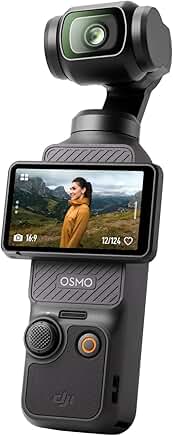
The verdict
The strongest all-in-one option specifically for buyers who want mechanical gimbal-smooth footage without carrying a separate camera and stabilizer rig.
Pros
- Built-in mechanical 3-axis gimbal delivers noticeably smoother footage than digital stabilization alone
- Larger 1-inch sensor than DJI's previous Pocket generation meaningfully improves low-light image quality
- Genuinely pocket-sized, unlike most gimbal-stabilized cameras which need a separate handheld rig
- Rotating touchscreen supports both landscape and portrait orientation shooting without extra accessories
Cons
- Premium pricing compared to phone-based gimbal stabilizers, though the image quality difference justifies it for serious use
- Fixed lens with no zoom or interchangeable options limits versatility compared to a full mirrorless system
This review is based on DJI's published Osmo Pocket 3 specifications and the consistent pattern in buyer feedback: strong, specific praise for combining mechanical gimbal stabilization with genuinely improved sensor quality over the previous generation, in a still-pocketable form factor.
Mechanical stabilization beats digital, and that's the whole point
Phone-based digital stabilization crops and processes footage after the fact; a true mechanical 3-axis gimbal physically counteracts movement in real time, producing noticeably smoother results, especially while walking. That's the specific, measurable reason this outperforms phone footage for handheld video.
Who it's for
Great for travel and lifestyle content creators who want gimbal-smooth handheld footage without carrying separate camera and stabilizer gear — a poor fit if you need lens versatility or interchangeable optics.
Frequently asked
- Is the stabilization digital or mechanical?
- Mechanical — a true 3-axis gimbal physically stabilizes the camera in real time, which produces smoother results than the digital, software-based stabilization used by most phone cameras.
- Can I change the lens?
- No — it has a fixed lens with no interchangeable options, which is the trade-off for its genuinely pocketable, all-in-one gimbal design.
You might also like
Cameras & Drones
RS 3 Mini
DJI · Ages 13+ years
- 2kg payload capacity in a genuinely compact, lightweight gimbal body that's easier to carry all day than DJI's larger RS models
- Touchscreen built directly into the gimbal for adjusting settings without needing the phone app open
- The 2kg payload limit rules out larger mirrorless bodies paired with telephoto lenses — DJI's bigger RS gimbals are needed for that combination
Cameras & Drones
Brave 8
Akaso · Ages 13+ years
- Aggressively priced compared to GoPro or DJI, making it a low-risk way to find out if you'll actually use an action camera
- Dual front-and-rear screens are unusual to find at this price point
- Image quality, dynamic range, and stabilization clearly and consistently trail GoPro, DJI, and Insta360 in side-by-side comparisons — this is a budget compromise, not a flagship rival
Cameras & Drones
Max 2
GoPro · Ages 13+ years
- True native 8K 360 capture without software upscaling is a real jump over the original Max's lower-resolution output
- User-replaceable lenses mean a scratched dome no longer means retiring or servicing the whole camera
- 360 cameras remain a niche workflow — reframing and stitching genuinely take editing time and skill that casual buyers tend to underestimate
Buy from Amazon