Books
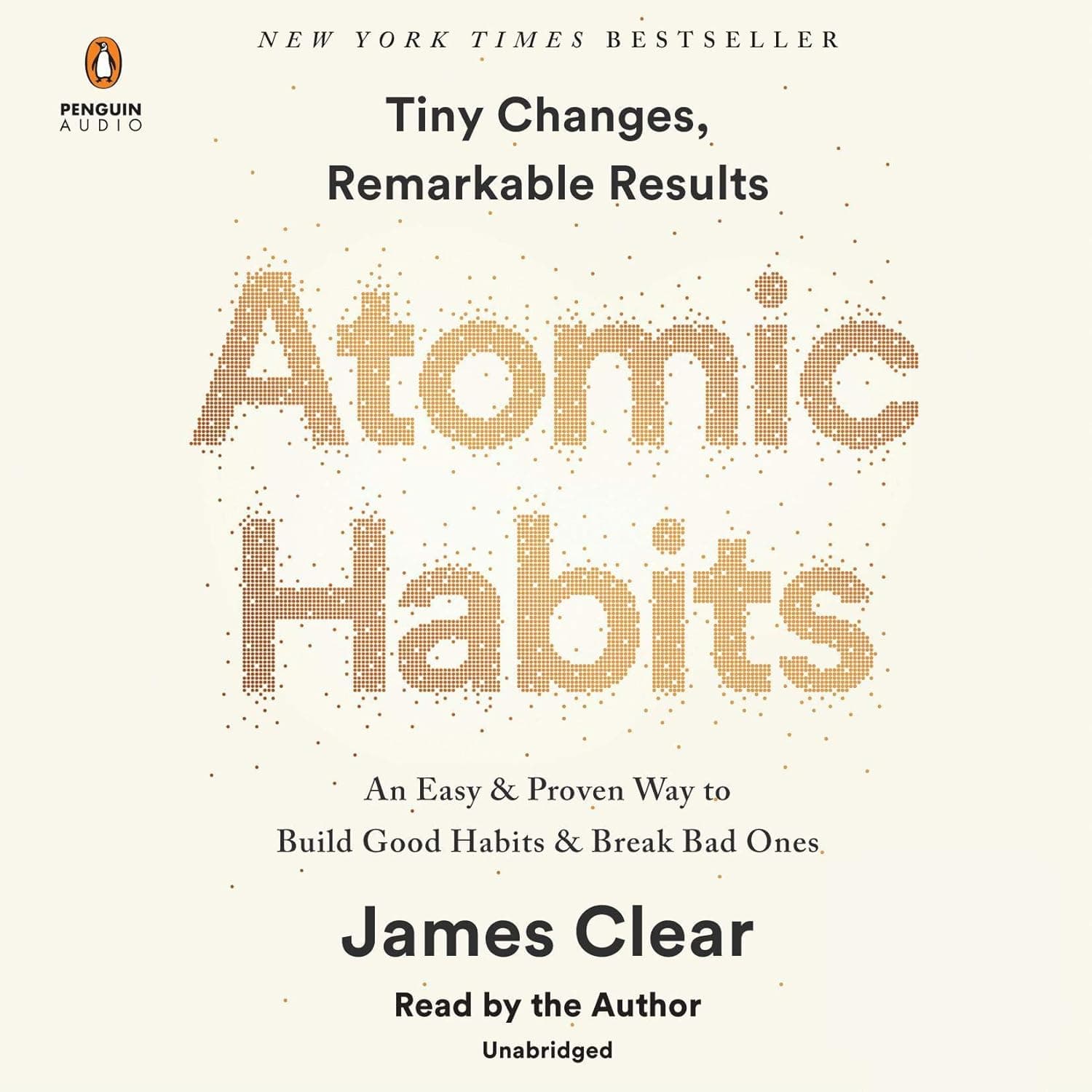
Atomic Habits Review: The Habit Book That Actually Changes What You Do Monday Morning
- Brand:
- James Clear
- Ages:
- 13+ years
- Updated:
- 2026-07-04
The verdict
The most actionable mainstream habit-formation book available — buy it if you want a concrete system to implement, not just a motivational read. Skip it only if you've already deeply studied behavioral psychology and want something more academic.
Pros
- Concrete, actionable frameworks (the Four Laws of Behavior Change) rather than vague motivational advice
- Short, tightly structured chapters make it easy to actually finish, unlike many books in the category
- Consistently high, durable reader reception years after publication rather than a fading launch-week spike
- Advice is grounded in cited research and specific real-world examples, not just the author's personal anecdotes
Cons
- The core ideas can be summarized in a long blog post — the book's value is in the depth and examples, not novel concepts
- Repeats its central framework often, which helps retention but can feel padded if you're already familiar with habit-formation basics
- Written for general habits broadly, not a specialized guide for a specific domain like fitness or finance specifically
This review is based on the book's published content and structure, and the consistent pattern across reader feedback since its 2018 release: strong, durable praise for actionability specifically, which is the rarer quality in the self-help category.
What makes it different from the rest of the habit-book category
The self-help and productivity category is crowded with books that are long on motivation and short on mechanism. Atomic Habits' core contribution is the Four Laws of Behavior Change framework — make it obvious, make it attractive, make it easy, make it satisfying — applied consistently to dozens of concrete scenarios rather than left abstract. That structure is what readers most consistently cite as the reason it sticks after the first read, rather than being shelved like most books in the category.
Readability and structure
Chapters are short and end with explicit summaries, which is a deliberate structural choice that measurably increases the odds of actually finishing a nonfiction book — a real, if unglamorous, factor in whether a habit book changes anything for the reader who buys it.
Who it's for
Best for someone who wants a concrete system to change a specific habit and hasn't read extensively in the behavior-change space already. A weaker fit for readers who've already read Charles Duhigg's The Power of Habit or BJ Fogg's Tiny Habits and want genuinely new material rather than a well-organized synthesis.
Frequently asked
- Is this book based on real research, or just opinion?
- It draws on cited studies in behavioral psychology and neuroscience, combined with real-world case studies (athletes, businesses, public policy). It's a popular synthesis rather than an academic text, but the claims are sourced rather than purely anecdotal.
- Is the audiobook or physical book better?
- Both are well-regarded. The physical/e-book format makes it easier to reference the habit-tracking worksheets and summaries at chapter ends, which some readers use as an ongoing workbook rather than a one-time read.
- How is this different from The Power of Habit?
- The Power of Habit focuses more on explaining why habits form neurologically, using narrative case studies. Atomic Habits is more prescriptive and workbook-like, focused on giving the reader a repeatable system to apply immediately.
- Is Atomic Habits worth reading?
- Yes, if you want a concrete, repeatable system for building or breaking a specific habit rather than general motivation. It's a weaker pick if you've already read extensively in the behavior-change space and want genuinely novel research rather than a well-structured synthesis.
You might also like
Books
Essentialism: The Disciplined Pursuit of Less
Greg McKeown · Ages 13+ years
- A genuinely useful mental permission-slip for chronic over-committers to cut obligations down to what actually matters
- Clear, actionable exercises like the '90 percent rule' and the essentialist-versus-nonessentialist framing, rather than pure abstraction
- The core message — do less, but better — is straightforward enough that it could be conveyed in an essay, and the book stretches it across many short chapters with some repetition
Books
Start with Why: How Great Leaders Inspire Everyone to Take Action
Simon Sinek · Ages 13+ years
- The 'Golden Circle' (Why, How, What) is a simple, memorable framework that's easy to explain to a team or apply to your own messaging
- Strong, well-known case studies (Apple, the Wright Brothers, Martin Luther King Jr.) make the abstract idea concrete
- Critics, including sales trainers, argue the framework oversimplifies — knowing your audience often matters as much or more than leading with 'why'
Books
Daring Greatly: How the Courage to Be Vulnerable Transforms the Way We Live, Love, Parent, and Lead
Brené Brown · Ages 13+ years
- Based on over a decade of the author's own qualitative shame and vulnerability research, not just personal opinion
- Genuinely reframes vulnerability as strength in a way many readers find personally impactful
- Some readers and critics find the tone can tip into repetitive affirmation rather than deeper analysis
Buy from Amazon